Lemons are a staple ingredient in many recipes, but choosing the wrong one in the store can ruin your dish. With so many options available, it can be challenging to identify the ripe ones from the bad ones. That’s why we’ve compiled expert advice from the pros to help you become a lemon picking pro. Read on for exactly how to tell if a lemon is bad without even cutting it open.

This post contains affiliate links. Should a purchase be made, Love Beauty Thrive may receive a small commission at no added cost to you. Affiliate disclosure is available here. Thank you.
How to Tell If A Lemon Is Bad
Identify bad lemons with ease with these tips from the pros! If you want to always have the perfect lemon for every recipe, we’ll tell you exactly how to examine the color, texture, and firmness, and check for the right aroma. Don’t be fooled by size and always trust your instincts. With these tips, you’ll never make the mistake of choosing a bad lemon again. Plus, we’ve got some amazing kitchen tool recommendations for lemons and other citrus fruit too. Want to know how to tell if a lemon is bad? Let’s get to it!
The Ultimate Guide To Identifying Bad Lemons
Are you tired of picking lemons that turn out sour or tasteless? Whether you’re making lemonade, a salad dressing, or a citrus-y marinade, choosing the right lemons is crucial for achieving the perfect flavor. But how can you tell a good lemon from a bad one? And is that even possible without cutting it open? Don’t worry, we’ve got you covered. In this ultimate guide to identifying bad lemons, we’ve gathered tips from the pros so you can become a lemon picking pro yourself. We’ll teach you how to evaluate the color, texture, firmness, and aroma of lemons, and why size isn’t everything (plus we’ll share with you some bonus kitchen tool recommendations that are perfect for cooking with lemons too). By the end of this article, you’ll be able to confidently select and use the best lemons for your recipes and avoid the bad ones like a pro – all without even cutting them. So, let’s get started! Here’s exactly how to tell if a lemon is bad . . .
Bad Lemons: Color is Key
One key factor to consider when identifying bad lemons is their color. The color of a lemon is a great indicator of its ripeness and freshness. A good lemon should have a bright, vibrant yellow color. Avoid lemons that are dull or have green patches, as they may not be fully ripe or could be overly ripe.
However, it’s important to note that the color of a lemon can vary depending on its variety and growing conditions. For example, Meyer lemons have a deeper yellow color than regular lemons, and some lemons have a green tinge even when ripe. That’s why it’s important to pay attention to the other factors that we’ll discuss in this guide too, in addition to color. We’ll get to those very soon!
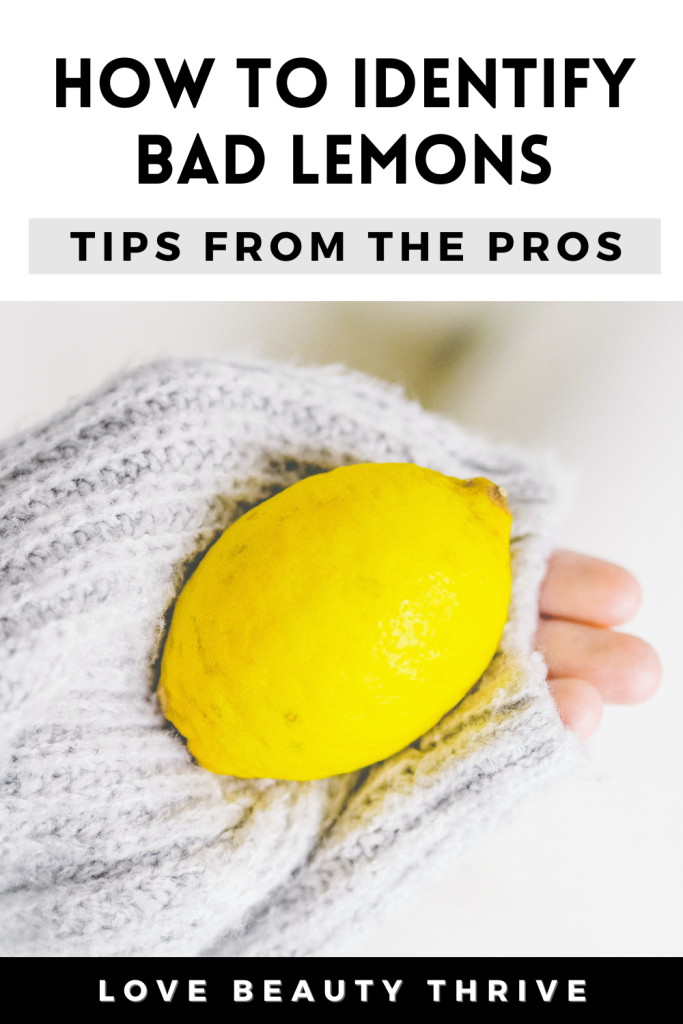
In examining the color of lemons, you may also wish to quickly check the overall health of the lemon as well. Be sure to pass on any lemons that show signs of major discoloration, bruising or mold.
In the next section, we’ll dive into another important factor to consider when identifying bad lemons and that is one of texture.
Bad Lemons: Texture Matters
When it comes to identifying bad lemons, color isn’t the only factor to consider. Texture also plays a crucial role in determining whether a lemon is fresh or past its prime. A fresh lemon will have a smooth and firm texture to its skin, while a bad lemon will feel unusually soft or even spongy to the touch.
To check for firmness, gently press your fingers into the skin of the lemon. A fresh lemon will give a little under your touch, but it should still feel resilient and firm. If the skin is soft and gives easily (or worse yet, is squishy), the lemon is likely overripe and should be avoided.

Zulay Kitchen Lemon Squeezer (Premium Quality Stainless Steel)
BUY ON AMAZON
However, texture isn’t the only factor to consider either. In the next section, we’ll discuss another important aspect on how to tell if a lemon is bad – exactly the right way to look for firmness.
Bad Lemons: Look for Firmness
To ensure you pick the best lemons, you need to consider a few factors before buying or using for a recipe. Firmness is one of the most important aspects to look for when selecting lemons. This is similar to examining texture (as just discussed above) but takes that consideration one step further. With respect to texture, we are mainly referring to and examining the skin of the lemon, while with firmness we are now trying to get an idea of the inside of the lemon – beyond just an examination of the condition and texture of its skin.
Just as with texture, we are looking for very similar characteristics when assessing a lemon’s firmness. When you put a little pressure on a fresh lemon with your fingers, your impression of the inside (both with respect to its skin and to the fruit itself inside) should feel resilient and firmly bounce back without being too soft or squishy. If it gives too quickly and feels extra soft, the lemon is probably overripe and should be avoided. You might want to pick a different lemon instead.
However, firmness isn’t the only factor you need to consider when identifying bad lemons. In the next section, we’ll discuss another essential aspect of how to tell if a lemon is bad, to help you find the perfect ones for your recipes. Checking for an aroma can ensure that you’re buying lemons that are not only firm but are also fresh and delicious. Let’s talk about that next.
Bad Lemons: Check for an Aroma
Color, texture and firmness are undoubtedly essential factors when identifying bad lemons, but they are not the only thing you need to look out for. There is still yet another characteristic that you can evaluate with respect to how to tell if a lemon if bad (even without cutting it open). To ensure you’re buying and using lemons that are not only firm but also fresh and delicious, you need to check for an aroma. A lemon with a robust, citrus-y scent is an indication that it’s fresh, while a weak or musty smell could mean that it’s past its prime.
But don’t solely rely on the aroma to identify great lemons, use it in combination with the other factors we’ve talked about too – color, texture and firmness. And as we’ll discuss in the next section, size is another factor that you need to consider too. Remember to use your senses and consider all of the characteristics of a lemon before making a purchase and using it for your favorite recipes.
Bad Lemons: Size Isn’t Everything
Aroma is indeed a significant indicator of lemon quality, but it’s not the be-all and end-all – neither is color or texture. And while a firm lemon is desirable, it doesn’t necessarily mean that it’s fresh and juicy. That’s where size comes in next.
Size isn’t everything, but it can be a good indication of the quality of the lemon you’re purchasing or using in your cooking. Smaller lemons tend to pack more juice and flavor, while larger lemons can be less juicy and have a thicker skin. However, the reverse can also be true. It all depends on the type and variety of lemon you are using, and the growing conditions. For this reason, it’s important to do your research and see which variety of lemon is best for your specific recipe, so you can determine the best characteristics for your type of lemon and for your recipe’s unique needs.
To ensure you’re getting the best lemons, it’s essential to consider both firmness and size, along with other factors like aroma, texture and overall appearance. Pay attention to how the lemon feels in your hand, look for any blemishes or discoloration, and give it a sniff to ensure it’s fresh and fragrant. Also, know the characteristics of the best variety of lemon for your recipe’s needs.

And so, how to tell if a lemon is bad? Identifying bad lemons requires paying attention to a variety of different characteristics. Color, texture, firmness, size, aroma, and appearance are all factors that can help you make an informed decision when purchasing and using lemons in your cooking and baking. By using your senses and considering all of these aspects, you can ensure that you’re getting the best lemons for your culinary needs.
Need More? How to Tell If a Lemon Is Bad
If you are a lemon lover and need even more things lemon, here are three of Amazon’s bestselling and highly-rated kitchen tools that will definitely bring your lemon game to the next level. From lemon hand-squeezers to lemon zesters and even juicers, you are sure to love these perfect lemon accessories.

Zulay Kitchen Lemon Hand Squeezer (Metal)
BUY ON AMAZON

Gerossi Lemon Zester Grater (Stainless Steel)
BUY ON AMAZON

Zulay Kitchen Citrus Press Juicer (Heavy Duty)
BUY ON AMAZON
How to Tell If A Lemon Is Bad
Choosing the right lemon is crucial for creating a delicious meal. By utilizing the expert tips from the pros, you can easily identify bad lemons. Remember to pay attention to the color, texture, firmness, and aroma. Don’t be swayed by size, and always trust your instincts. Research the characteristics of the right type and variety of lemon for your needs. With these simple guidelines, you’ll never be stuck with a bad lemon again. And now you know exactly how to tell if a lemon is bad without cutting it open. You’ll be surprised by the difference a good lemon can make in your recipes, and you can now tell your friends about your lemon picking expertise too. Happy cooking!
FOLLOW ON PINTEREST
Show us some love! Follow Love Beauty Thrive on Pinterest here. Save this post for later using this pin.

You May Also Like
How Do You Freeze Fresh Picked Strawberries?
Fastest and Easiest Way to Make Corn on the Cob
